야구공 회전 축에 따른 공기 흐름 및 압력 경도 시뮬레이션 시뮬레이션 엔진 초기화 중... 야구공 회전 역학 (Magnus & Wake Effect) 실밥 표면 근처의 공기 흐름 및 압력 경도 시각화 시스템 표면 압력 경도 (Pressure) 고압 (High) 저압 (Low/Wake) 유선 (Streamlines) 실밥 난류 촉진 구역 회전 속도 (RPM) 2200 회전축 타겟 (Gyroscopic Tilt) 45° 공기 역학 활성화 (Wind Tunnel) 90 MPH 일시정지 카메라 리셋
Robotics Supply Chain Analysis 2026
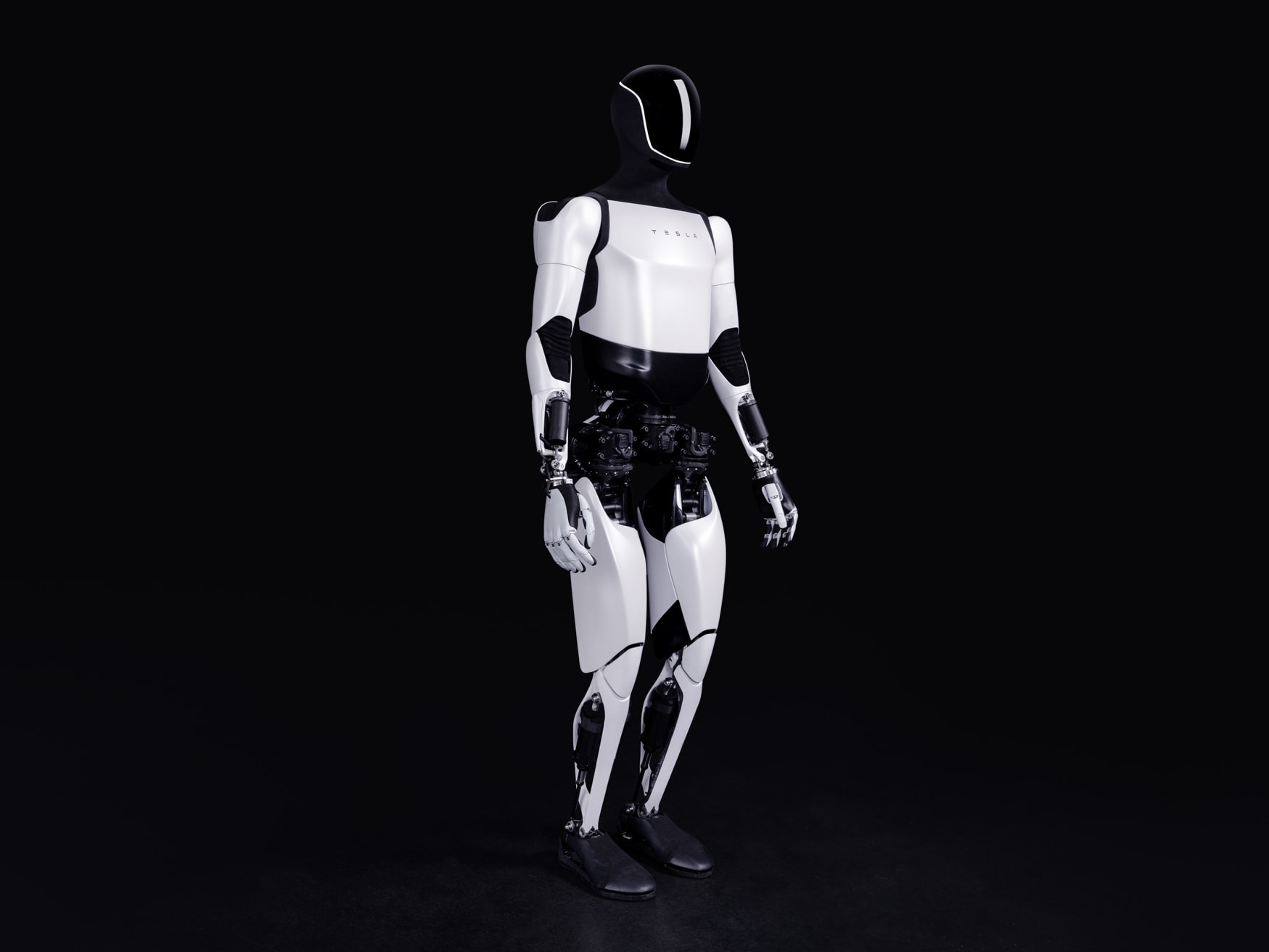
THE $20,000 ANDROID
Deconstructing Tesla's Optimus Gen 3. How vertical integration and automotive DNA drive the cost of humanoid robotics down to the price of a compact car.
Target COGS
$20k
@ 1M Units/Year
Degrees of Freedom
28+
11 in Dexterous Hand
Runtime
16h
2.3kWh Pack
In-House Ratio
75%
Vertical Integration
The Cost Anatomy
To reach the aggressive $20,000 target, cost distribution is heavily weighted towards the physical actuation. Unlike traditional robots where integration and sensors drive costs, Optimus aims to commoditize movement.
-
🦾
Actuators (45%) The single largest cost driver. Tesla replaces expensive Harmonic Drives with proprietary designs.
-
🧠
Compute (17.5%) Leverages the FSD Computer from Model 3/Y, amortizing R&D costs across millions of vehicles.
Cost Distribution (Total: $20,000)
Est. COGS for Gen 3 @ 1M annual volume
Generational Evolution
Gen 3 represents a massive leap in "Physical Intelligence." While Gen 2 proved the concept, Gen 3 focuses on the trifecta of Speed, Manufacturing Feasibility, and Dexterity.
Torque Density
Custom motors achieve 2x torque-to-weight ratio compared to off-the-shelf industrial parts.
Tactile Sensing
11-DoF hands with full tactile feedback, enabling delicate manipulation previously impossible.
Mass Reduction
Shedding 10kg via gigacasting and component integration without sacrificing structural integrity.
Walking Speed
30% increase in locomotion speed, approaching natural human pacing.
Make vs. Buy Strategy
Tesla's "Killer App" isn't the robot; it's the supply chain. By designing critical components in-house, they avoid the markup of traditional robotics suppliers.
In-House Wins
Strategic
Actuators & Sensors: Designed from scratch to remove "black box" supplier limitations.
Battery & Compute: Direct port from EV production lines.
Outsourced
Commodity
Raw Materials: Magnets, copper, aluminum.
Standard Fasteners: Bolts, wiring harnesses (where custom isn't needed).
Optics: Lens elements for cameras.
The "Car-to-Bot" DNA Transfer
EV Technology Source
Model 3/Y Production
🚗
Structural Battery
Just as the Model Y uses the battery as the floor, Optimus uses its 2.3kWh pack as the structural torso, eliminating heavy frame components.
FSD AI Computer
The exact same inference silicon used for Autopilot drives the robot. No new chip development cost.
Optimus Production
Mass Manufacturing
Subsystem Specifications
🦾
Actuators
Type
Rotary & Linear
Torque
Up to 200Nm
Complexity: High
💻
Compute
Processor
Tesla FSD Chip
Connectivity
WiFi + LTE/5G
Commonality: High
👁️
Vision
Sensors
Cameras Only (No Lidar)
Field of View
360 Degrees
Cost: Medium
⚡
Power
Capacity
2.3 kWh
Voltage
52V System
Efficiency: High
🦴
Structure
Material
Al Alloy Gigacast
Design
Exoskeleton
Durability: High
Comments
Post a Comment